
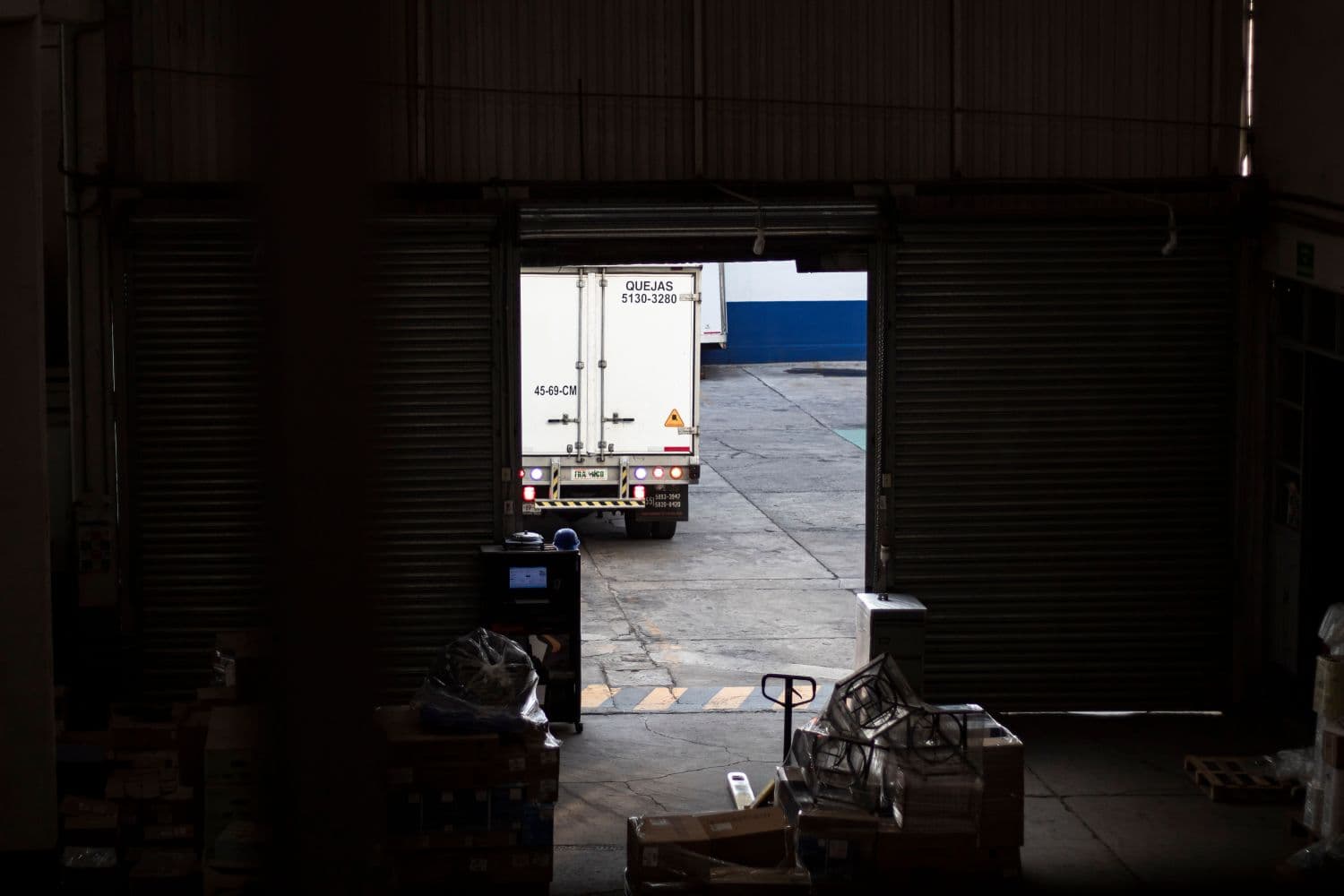
What Is OTIF? On-Time In-Full Delivery Explained
Delivering customer orders on time is important, but arriving on schedule doesn't always mean an order was fulfilled correctly. Missing products, incorrect quantities, or incomplete shipments can create problems for retailers and their suppliers.
That's why many businesses use On-Time In-Full (OTIF) as a key performance indicator (KPI) to measure delivery performance.
Understanding OTIF can help ecommerce, retail, and wholesale brands identify fulfillment problems, improve inventory accuracy, and meet customer delivery expectations.
What Is OTIF?
OTIF stands for On-Time In-Full. It is a supply chain performance metric that measures the percentage of orders delivered by the required deadline and with the complete, correct quantities.
An order generally meets OTIF requirements when it satisfies both conditions:
- On-Time: The order arrives within the agreed delivery window.
- In-Full: The order contains the correct products and quantities specified in the order.
Both conditions must be met for an order to count as OTIF-compliant.
However, the exact definition of on-time and in-full can vary by retailer, customer agreement, or reporting system. Some businesses measure OTIF by purchase order, while others evaluate individual order lines or units.
How to Calculate OTIF
The standard order-based OTIF formula is:
OTIF formula
OTIF (%) = (Orders Delivered On Time and In Full ÷ Total Orders) × 100
Only orders that satisfy both requirements count toward the numerator.
OTIF Calculation Example
Suppose a wholesale supplier has 200 orders scheduled for delivery during a reporting period.
Of those orders:
- 180 arrive on time.
- 190 contain the complete, correct quantities.
- 175 meet both requirements.
The OTIF calculation is:
(175 ÷ 200) × 100 = 87.5%
The supplier's OTIF rate is 87.5%.
Even though 90% of orders arrived on time and 95% were delivered in full, the OTIF rate is lower because some orders failed one of the two requirements.
This example illustrates why measuring delivery timing or order completeness alone doesn't provide the full picture.
On-Time vs. In-Full: What's the Difference?
OTIF combines two related but distinct measures of fulfillment performance.
| On-Time Delivery | In-Full Delivery |
|---|---|
| Measures whether orders arrive by the required deadline | Measures whether orders contain the complete, correct quantities |
| Focuses on delivery timing | Focuses on order completeness |
| Can be affected by shipping delays and missed appointments | Can be affected by inventory shortages and picking errors |
| An incomplete order may still arrive on time | A complete order may still arrive late |
An order must meet both requirements to count toward OTIF.
For example, a retailer orders 100 units of a product for delivery on Friday. If all 100 units arrive Saturday, the order is in full but late. If only 95 units arrive Friday, the order is on time but not in full.
Neither shipment meets both OTIF conditions.
Why Is OTIF Important in Retail and Wholesale Fulfillment?
OTIF helps businesses evaluate how reliably they meet customer delivery requirements.
For retail and wholesale suppliers, poor OTIF performance can lead to several challenges:
- Retailer compliance issues: Some retailers establish OTIF requirements and may assess chargebacks or penalties when suppliers fail to meet them.
- Inventory disruptions: Late or incomplete deliveries can leave retailers without the products they expected to receive.
- Additional operational costs: Correcting incomplete shipments may require additional handling, transportation, or administrative work.
- Customer dissatisfaction: Repeated delivery problems can damage relationships with retail partners and customers.
Tracking OTIF helps businesses identify patterns in delivery performance and determine where improvements are needed.
What Causes Poor OTIF Performance?
Several operational problems can affect OTIF rates.
Inventory Inaccuracy
When inventory records don't match physical stock, businesses may accept orders they cannot fulfill completely.
Picking and Packing Errors
Incorrect quantities, missing items, or picking mistakes can result in shipments that fail in-full requirements.
Shipping and Transportation Delays
Carrier delays, missed pickup windows, transportation disruptions, and delivery appointment issues can affect on-time performance.
Poor Coordination Between Operations
Delays in receiving, order processing, warehouse operations, or transportation planning can make it difficult to meet delivery deadlines.
Supplier and Replenishment Problems
Unexpected inventory shortages or late replenishment shipments can prevent orders from being completed as scheduled.
How to Improve OTIF Performance
Improving OTIF requires coordination across inventory management, warehouse operations, and transportation.
Maintain accurate inventory records. Reliable inventory data helps businesses understand product availability and avoid accepting orders they cannot fulfill completely.
Improve picking accuracy. Consistent picking procedures, barcode scanning, and order verification can help reduce incorrect or incomplete shipments.
Monitor order processing timelines. Understanding receiving, picking, packing, and shipping timelines helps businesses identify delays before they affect delivery commitments.
Coordinate transportation schedules. Aligning warehouse operations with carrier pickups and required delivery appointments can help reduce avoidable delays.
Review OTIF performance regularly. Tracking late and incomplete orders separately helps businesses identify recurring problems and determine which improvements are most important.
Businesses should also confirm how each retail partner defines OTIF, since measurement requirements can vary.
OTIF vs. Order Accuracy: Are They the Same?
OTIF and order accuracy are related, but they measure different aspects of fulfillment performance.
Order accuracy generally measures whether orders are picked, packed, and shipped with the correct items and quantities.
OTIF evaluates whether orders meet both completeness and delivery timing requirements.
An order can be picked and packed correctly but still fail OTIF if it arrives after the required delivery window.
Likewise, an order delivered on time may fail OTIF if it contains fewer units than the customer ordered.
Both metrics provide useful information, but they should not be treated as interchangeable.
How Fast Fulfillment Supports Reliable Order Fulfillment
For brands shipping to retailers, wholesalers, and ecommerce customers, consistent warehouse operations are an important part of meeting delivery expectations.
Fast Fulfillment provides B2B and ecommerce fulfillment services, including inventory management, order processing, and warehousing.
With a reported 99.7% order accuracy rate, Fast Fulfillment emphasizes accurate order processing as part of its fulfillment operations.
While warehouse accuracy supports the in-full component of OTIF, overall OTIF performance also depends on inventory availability, transportation, and each customer's delivery requirements.
Looking for a fulfillment partner?
Contact Fast Fulfillment to discuss your warehousing and order fulfillment needs.
Get a Free Quote