
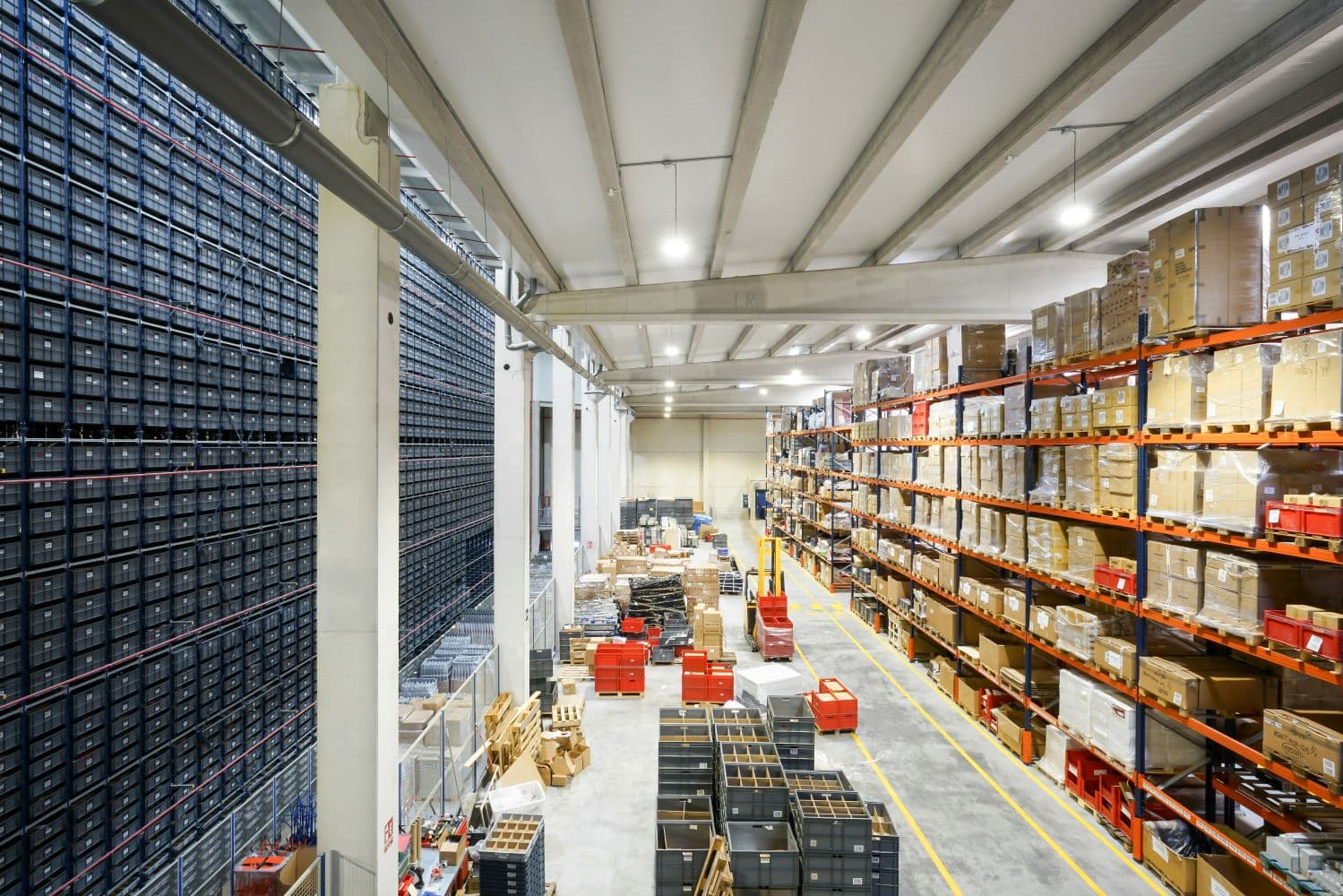
What is a 3PL
Understanding 3PL: What is a Third-Party Logistics Provider?
In today’s fast-paced business world, companies are always looking for ways to improve efficiency and reduce costs. One of the strategies that many businesses use is partnering with a Third-Party Logistics provider, commonly known as a 3PL. But what exactly is a 3PL, and how can it benefit your business? Let’s dive in.
What is Third-Party Logistics?
A Third-Party Logistics (3PL) provider is a company that performs outsourced logistics activities for a business. Depending on the provider and service agreement, those activities may include warehousing, inventory management, transportation, or order fulfillment. A 3PL does not necessarily take over every logistics function; the scope is defined in the agreement.
How Does a 3PL Work?
In a typical fulfillment arrangement, a business sends its products to a 3PL warehouse, where inventory is received, organized, and stored. When a customer places an order, the order information is sent to the fulfillment provider. The 3PL then picks the products, packs the order, and prepares it for shipment. Depending on the provider and service agreement, a 3PL may also assist with inventory tracking, shipping coordination, and returns.
This process allows businesses to outsource day-to-day logistics activities while maintaining responsibility for their products, customers, and broader business decisions.
Send Inventory
Products are sent to the 3PL warehouse.
Store Products
Inventory is received, organized, and stored.
Pick & Pack Orders
When orders come in, items are picked and packed.
Ship to Customer
Orders are prepared for shipment and sent out.
Key Services Provided by 3PLs
3PL capabilities vary by provider and service agreement. The following are common service categories, but not every provider offers all of them.
Warehousing and Storage
- Depending on the provider and agreement, warehousing may include storing products and related inventory-management services.
Transportation
- When included in the agreement, a 3PL may coordinate the transportation of goods to customers or between locations.
Order Fulfillment
- When offered, order fulfillment can include picking products, packing orders, and preparing them for shipment to customers.
Inventory Management
- Depending on the provider, inventory services may offer visibility into stock levels, tracking, and stock management. Systems and reporting vary, and demand forecasting may not be included.
Returns Management
- If returns processing is part of the agreement, a 3PL may receive returned items and handle agreed next steps, such as inspection, restocking, or disposition.
Benefits of Using a 3PL
Cost Savings
- Using a 3PL may reduce some logistics costs, but any savings depend on order volume, storage requirements, shipping needs, and provider pricing.
For more detail on charges to compare, see our guide to the true cost of a 3PL.
Scalability
- Some 3PLs may offer flexibility as order volumes change, subject to available capacity and the services and terms in the agreement.
Expertise and Technology
- Providers differ in their logistics experience, processes, and technology. A 3PL may bring relevant expertise and tools for the services it offers, but advanced or proprietary technology is not guaranteed.
Focus on Core Business
- Outsourcing agreed logistics tasks can give a business more time to focus on product development, marketing, or customer service, while it retains responsibility for broader business decisions.
Improved Customer Satisfaction
- Accurate fulfillment and reliable shipping can contribute to a better customer experience; outcomes depend on the provider’s operations and service commitments.
How to Choose the Right 3PL
Selecting the right company for your business is crucial. Here are some tips:
- Assess Your Needs: Identify the logistics services you require and confirm that the provider offers them under its service agreement.
- Check Their Reputation: Review the provider’s track record, references, and feedback from businesses with similar needs.
- Evaluate Their Technology: Ask what inventory visibility, order processing, tracking, and reporting tools are included, and whether they fit your needs.
- Consider Their Location: A provider’s warehouse locations may affect routes, transit times, and costs depending on your customers, carriers, and agreement.
- Look for Flexibility: Ask about available capacity and how changes in order volume or services are handled under the agreement.
For a more detailed provider-evaluation checklist, see our questions to ask a 3PL.
Conclusion
A 3PL can handle selected logistics activities under an agreed service arrangement, but it does not guarantee cost savings, added capacity, or improved performance. Whether working with one is a good fit depends on the services your business needs, provider capabilities, available capacity, pricing, and agreement terms.
Compare the services and responsibilities in each agreement with your order volume, inventory needs, and shipping requirements. This can help you decide whether a provider’s offerings fit your business.
Looking for a 3PL Partner?
Fast Fulfillment provides warehousing, inventory management, and order fulfillment services from the Kansas City metro area. Learn how our team can support your logistics needs.
Get a Free Quote