
A Practical Guide to Sustainable Packaging for Ecommerce
Sustainable packaging has gone from a nice-to-have to something customers actively notice. The catch is that the category is full of vague claims, partial truths, and materials marketed as eco-friendly that are nothing of the sort. This is a practical walkthrough of what sustainable packaging actually means for an ecommerce brand, what the real cost premium looks like, where the greenwashing traps hide, and how to make changes that genuinely help without breaking margin.
What Sustainable Packaging Really Means
There is no single legal definition, which is part of the problem. In practice, packaging is meaningfully sustainable when it does one or more of three things: it uses less material per shipment, it uses material that is genuinely recyclable or compostable in the customer's actual local waste stream, or it uses post-consumer recycled content that pulled material out of a landfill in the first place. Anything that does not do at least one of those three things is marketing, not sustainability.
The Materials Worth Knowing
A few categories matter more than the rest for ecommerce parcels.
- Corrugated cartons with recycled content. Most corrugated already contains 40 to 70 percent recycled fiber. The substrate is one of the most recycled materials in the country and a safe default.
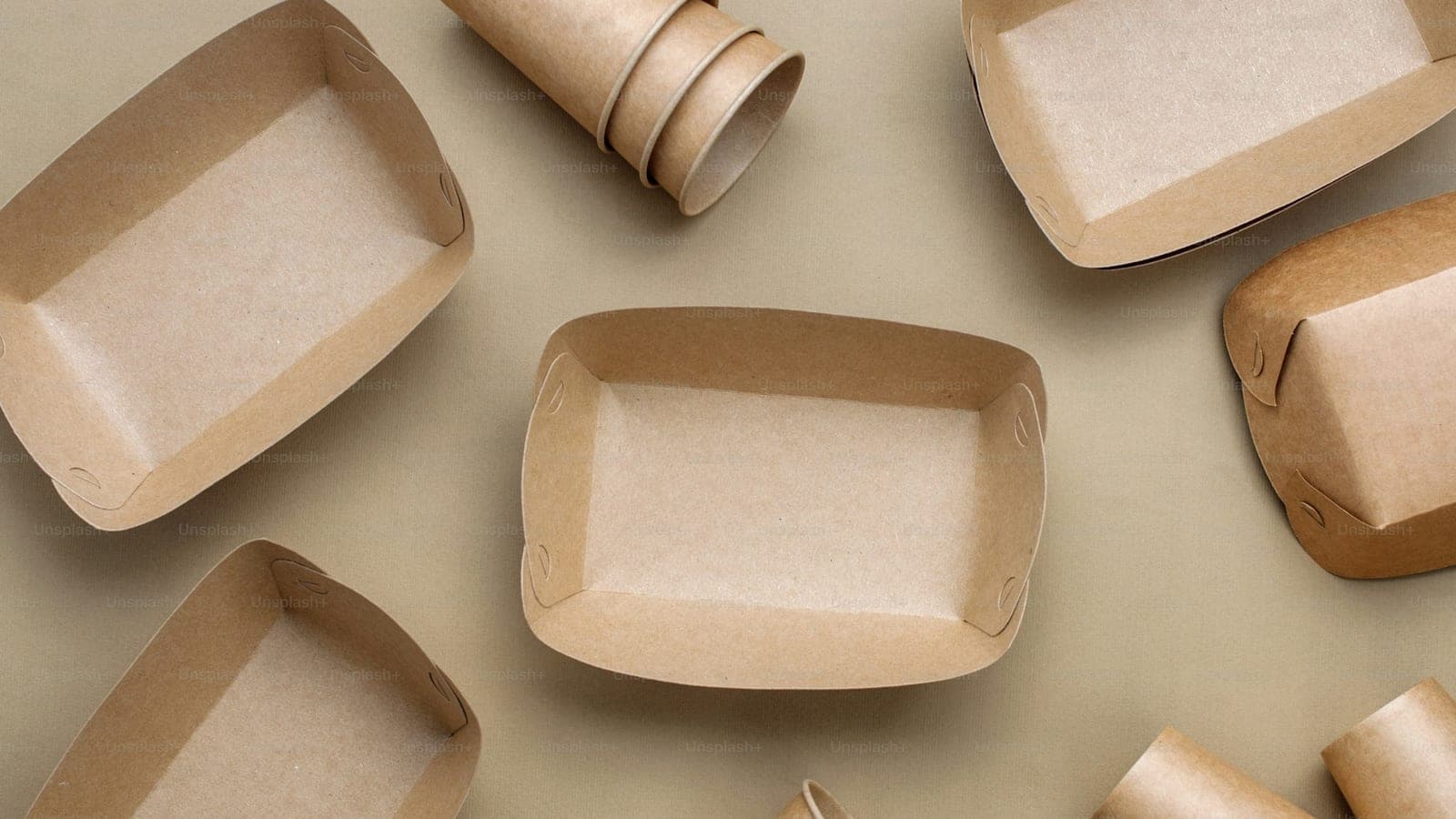
- Kraft paper void fill. Replaces plastic air pillows and packing peanuts. Curbside recyclable in almost every US municipality. A genuine improvement.
- Molded pulp inserts. Replace foam inserts for protection of fragile goods. Curbside recyclable and compostable.
- Recyclable poly mailers with post-consumer content. Better than virgin LDPE if your customers will actually return them to a store drop-off. Marginal benefit if they go in the trash.
- Paper mailers and padded mailers with paper cushioning. Curbside recyclable and a real upgrade over poly bubble mailers for many SKUs.
The Greenwashing Traps
A few materials get sold as sustainable but rarely deliver in practice.
Compostable plastics sound great but almost never compost in a home bin or municipal facility. They require industrial composting that most US cities do not offer. Most end up in landfill where they behave like regular plastic.
Bioplastic air pillows made from plant starch sound circular, but they share the same composting problem. The plant origin does not change what happens after the customer throws them away.
Oversized cartons with extra void fill are the most common hidden offender. The materials may all be recyclable, but shipping air takes more trucks, more fuel, and more emissions per order than any packaging swap will recover.
The Real Cost Premium
In our experience working with brands, the cost premium for a thoughtful sustainable packaging program is usually 5 to 15 percent on packaging materials, depending on SKU profile. That sounds like a lot until you put it in context: packaging materials are typically only 8 to 12 percent of total fulfillment cost, so the bottom-line impact on cost per order is often a few cents. For most brands that translates to a small margin hit that pays for itself in customer goodwill and retention.
Some swaps actually save money. Right-sizing cartons and switching from oversized boxes with foam to smaller boxes with kraft paper usually reduces both materials cost and dimensional weight shipping charges.
Where to Start
If you want to make real progress without spending months on it, three changes deliver most of the impact.
- Right-size your cartons. Audit your top 20 SKUs and confirm each one ships in the smallest standard carton that fits with minimal void. This single change reduces material use, void fill, and shipping cost simultaneously.
- Eliminate plastic air pillows and peanuts. Replace with kraft paper void fill. Cheap, recyclable, and the customer-perception win is real.
- Switch foam inserts to molded pulp. For fragile items where you currently use foam, molded pulp delivers similar protection with a fully recyclable alternative.
Telling the Story Honestly
If you are going to talk about your packaging on the site, on the box, or in marketing, be specific. Customers can smell vague claims. Instead of eco-friendly packaging, say recyclable kraft paper void fill or cartons made with 65 percent post-consumer recycled content. The specificity is the credibility. Vague claims invite skepticism. Specific claims build trust.
How a 3PL Should Help
A 3PL with a real sustainability program will offer multiple substrate options at the packing station, not just one default carton mix. We work with brands at our Lenexa facility to spec a packout standard per SKU that balances protection, cost, and recyclability, and we source kraft paper and recyclable mailers as the default unless a brand specifically opts into something else. If your current 3PL only stocks one material option, you are inheriting their packaging decisions whether you want them or not.
The Bottom Line
Sustainable packaging is not all or nothing, and it does not have to be expensive. Right-size cartons, switch to kraft paper, swap foam for molded pulp, and tell the story honestly. Those four moves cover most of what your customers care about and most of what actually reduces environmental impact, without the greenwashing traps or the margin damage. Anything beyond that is incremental.
Need a 3PL with real packaging options?
Fast Fulfillment is a Kansas City based 3PL operating from 11011 Lackman Rd, Lenexa, KS. We stock recyclable kraft paper, molded pulp, and right-sized cartons as the default. Same day shipping, full transparency, no monthly minimums.
Get a free quote→
Fast Fulfillment Team
Fast Fulfillment