
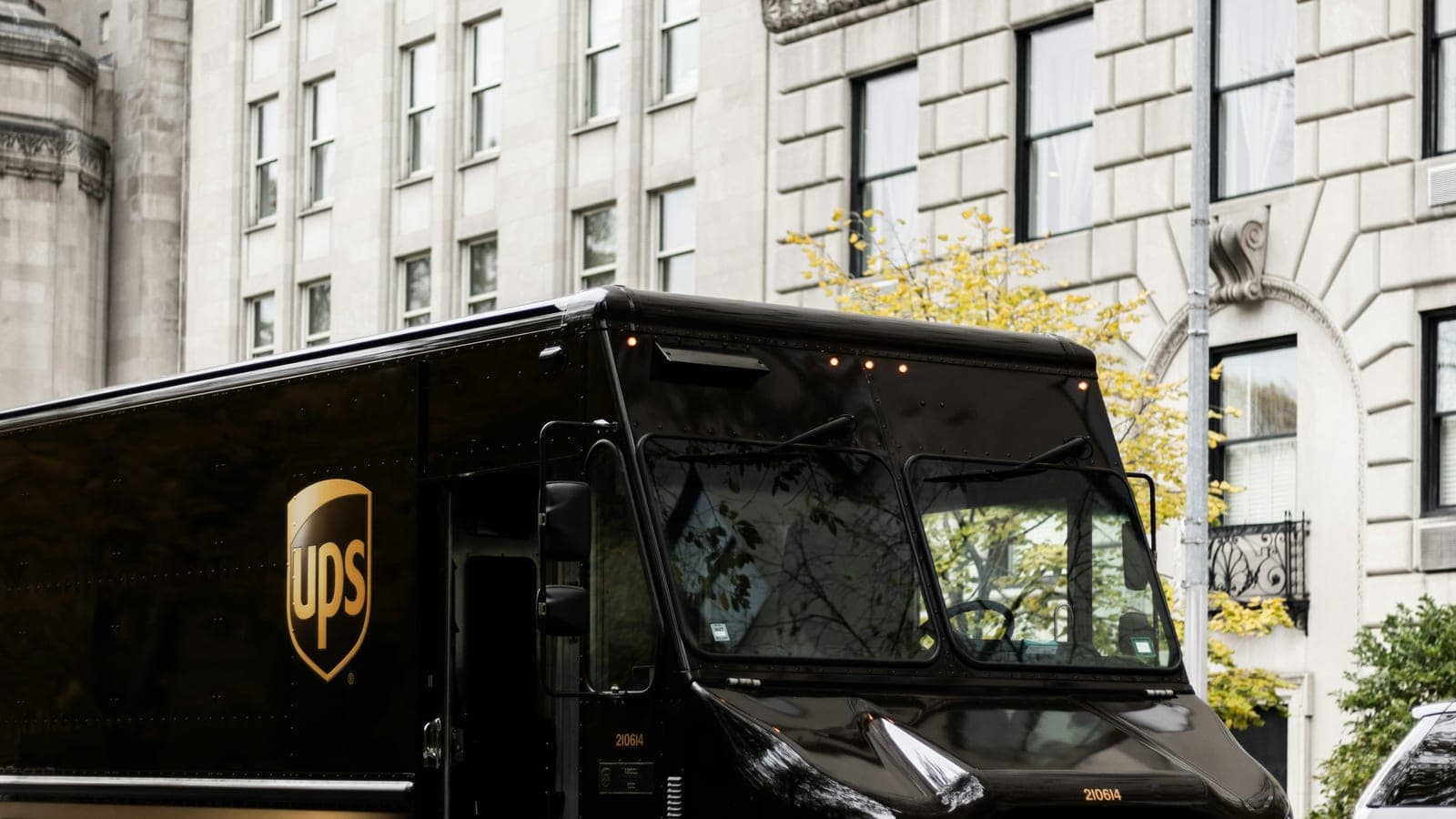
The Rise of Same-Day Distribution: What It Means for Your Brand
Same-day delivery used to be a Prime Now novelty in a few major metros. Today it is the default expectation in groceries, household consumables, and increasingly in beauty and apparel. The interesting question for most brands is not whether the trend is real (it is) but whether it actually applies to your category, what it costs to offer, and what you give up if you do not. Here is an honest look at the rise of same-day distribution and how to think about it.
What Is Actually Happening
Same-day distribution today covers three distinct models that often get confused. Local courier delivery (Instacart, DoorDash, Uber for parcels) moves goods from a store or microfulfillment node to the customer in hours. National marketplace same-day (Amazon, Walmart) operates from a dense network of metro fulfillment centers using carrier partners. And brand-direct same-day, the newest model, ships from regional 3PL or distribution centers with same-day cutoffs and ground or regional carrier service to nearby metros. The middle category is what Amazon has scaled. The third is what makes same-day economically viable for brands that are not Amazon.
Why It Is Happening Now
Three forces have pushed same-day from edge case to mainstream. Amazon trained customers to expect it: a decade of Prime conditioning has reset the baseline of what fast means. Carrier networks have matured: regional carriers like LSO, OnTrac, and CDL now move parcels metro-to-metro overnight or same-day at rates that did not exist five years ago. And inventory positioning has improved: 3PLs in central US locations like Kansas City can reach 85 percent of the population in one or two days, which makes the same-day promise feasible from a single facility for most metros within a 500 mile radius.
Where Same-Day Actually Matters
Not every category needs it. Same-day moves the conversion needle the most when the customer is buying to solve an immediate need: replacement parts, last-minute gifts, run-out consumables, gear for a trip leaving tomorrow. For considered purchases like furniture, apparel where fit matters, or higher-ticket electronics, customers are choosing on attributes other than delivery speed, and same-day pulls less weight.
A useful rule: if your customers are searching with phrases like need it today, local delivery, or same day in your product category, same-day will move conversion. If they are not, two-day ground is almost certainly enough.
What It Costs to Offer
Same-day is not free, but it is cheaper than most brands assume. The cost comes from three places. First, the carrier cost: same-day metro delivery typically runs $8 to $18 per parcel depending on distance and weight, versus $4 to $9 for standard ground. Second, the operational cost: hitting a same-day cutoff (typically 2 p.m. or 4 p.m. local) requires the warehouse to pick, pack, and stage orders in tighter windows, which means more labor or more automation. Third, the inventory positioning cost: to serve same-day at scale you usually need product positioned near the metros you serve, which can mean splitting inventory across multiple facilities.
Most brands recover the cost through a customer-paid premium ($5 to $10 for same-day shipping at checkout) and let the customer self-select into the higher tier. Done that way, same-day becomes margin-accretive rather than margin-destructive.
The Kansas City Advantage
For brands shipping from the center of the country, same-day is more achievable than the coastal narrative suggests. A facility in Lenexa can hit same-day or next-morning delivery into Kansas City metro, St. Louis, Wichita, Omaha, Des Moines, and Tulsa using regional carriers, and reach Chicago, Denver, Dallas, Minneapolis, and Indianapolis the next day with ground. That coverage hits a meaningful share of US consumers without the multi-facility complexity that makes same-day expensive elsewhere.
How to Decide
A short framework for deciding whether to offer same-day.
- Look at your support tickets. If when will it arrive is a top-three theme, speed matters in your category.
- Check your geographic concentration. If 40 percent of orders go to five metros, same-day to those metros is a focused, achievable test.
- Pilot before committing. Offer same-day to one metro for 30 days at a premium price and watch conversion lift and customer-paid revenue.
- Read the math. If the customer-paid premium covers the carrier cost and the operational lift is incremental, scale it. If not, stay with two-day.
The Bottom Line
Same-day distribution is no longer experimental, but it is also not universal. It moves the needle in urgency-driven categories and concentrated metros, and barely registers in others. The brands that win at it pilot small, price for it, and use central US fulfillment to keep the operational complexity manageable. For everyone else, fast and reliable two-day ground is still the better investment.
Considering same-day from a central US hub?
Fast Fulfillment is a Kansas City based 3PL operating from 11011 Lackman Rd, Lenexa, KS. We hit same-day and next-morning delivery into 6 nearby metros and two-day ground to most of the country. Full transparency, no monthly minimums.
Get a free quote→
Fast Fulfillment Team
Fast Fulfillment