
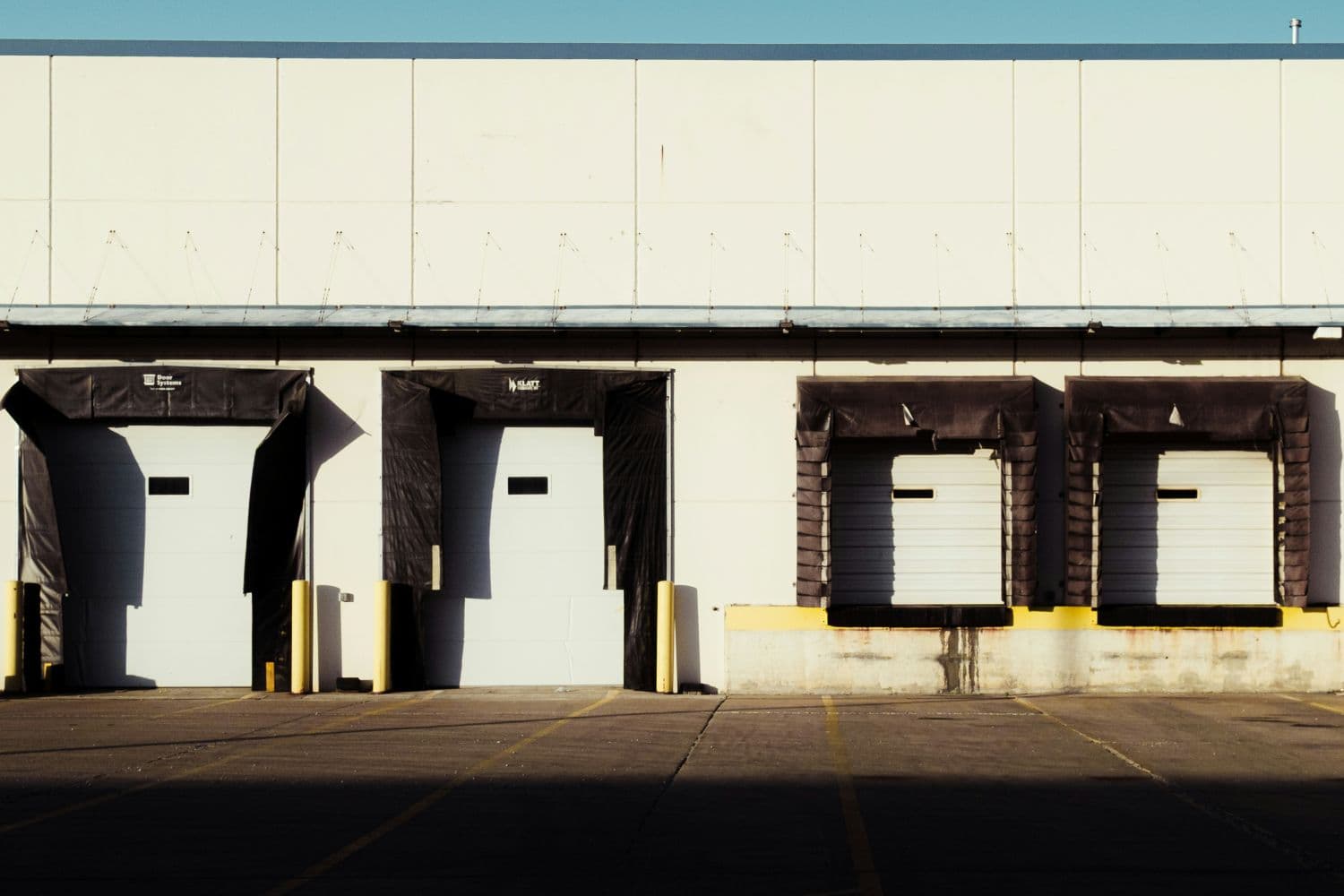
The Difference Between a Warehouse and a Distribution Center
Do you know the difference between a warehouse and a distribution center? The terms often describe different operational focuses, but they are not strict service categories. Warehouses commonly emphasize storage and inventory management, while distribution centers commonly emphasize product movement, distribution, and inventory turnover. Both types of facilities may receive, store, track, pick, pack, and ship goods. Services depend on the facility, operator, technology, and service agreement. In this article, we compare their common roles and how to evaluate which services fit your business.
What is a warehouse and what is a distribution center
A warehouse commonly emphasizes holding goods and managing inventory. A distribution center commonly emphasizes moving goods through a network and supporting more frequent inventory turnover. These are general operational focuses, not exclusive definitions: either type may provide receiving, storage, inventory management, picking, packing, and shipping. Actual services, size, and capacity vary by facility, operator, technology, and service agreement.
Warehouse vs. Distribution Center: Key Differences
| Feature | Warehouse | Distribution Center |
|---|---|---|
| Primary focus | Often emphasizes storage and inventory management | Often emphasizes product movement and distribution |
| Inventory turnover | May hold products for longer periods | Often supports more frequent inventory movement |
| Common activities | Receiving, storage, inventory management, and potentially fulfillment | Receiving, sorting, storage, order processing, and distribution |
| Best fit | Businesses prioritizing inventory storage and stock management | Businesses prioritizing frequent distribution or order movement |
These are general differences; actual capabilities frequently overlap and should be confirmed with the facility operator.
There are many benefits to having a warehouse, such as:
- A company-operated warehouse may give a business more direct control over day-to-day inventory.
- Warehouses may hold products for short or long periods, depending on storage requirements.
- Clear organization and inventory-management processes can make stock easier to track.
- Depending on facility location, shipping patterns, and rates, a warehouse arrangement may affect transportation costs.
A warehouse arrangement can also have trade-offs, depending on how it is operated:
- Operating or renting space can involve costs for the facility, labor, equipment, and utilities.
- Space requirements depend on inventory volume, product characteristics, and the storage plan.
- Depending on the staffing model and included services, additional staff may be needed to manage inventory.
A facility focused on distribution may support the movement of goods through a network. The benefits depend on its location, services, carriers, and costs.
For example, a distribution center may:
- Help reduce transportation time or cost on some shipping lanes, depending on location, carriers, and customer locations.
- Support distribution across a wider area when its locations and carrier services make that practical.
- Provide a useful position in a regional market when the location fits the distribution network.
- Support economies of scale in some operations when throughput and costs justify them.
In general, warehouses emphasize storage and inventory management, while distribution centers emphasize moving goods through a network. Both may distribute products and support fulfillment; the facility's label alone does not determine its capabilities.
Which type of facility is right for your business
The right fit depends on the work your business needs done. Evaluate inventory volume and storage duration; how often orders and shipments move; receiving and fulfillment requirements; customer locations and transportation needs; and the available services and overall costs. A warehouse may fit a priority on holding and managing stock, while a distribution center may fit frequent product movement or order processing. Compare each facility's actual services, capacity, costs, and agreement; neither type is universally better.
Tips for choosing the right warehouse or distribution center
If you are unsure which type of facility fits your business, compare the services and operating details rather than relying on the facility name alone:
- Research the facility's actual services and processes, since capabilities vary by operator and service agreement.
- Compare your inventory volume and storage duration, order frequency, receiving and fulfillment requirements, customer locations, transportation needs, and total costs.
- Ask a professional at Fast Fulfillment about its warehousing, inventory management, and order fulfillment services and whether they fit your requirements.
Either facility type may support your operation, depending on its services, location, capacity, and total cost. Compare those details with how your business stores, receives, processes, and ships goods rather than assuming one type is the better fit.
Working with a third-party logistics provider can give businesses access to warehousing and fulfillment services without having to build and operate their own facility. Fast Fulfillment provides warehousing, inventory management, and order fulfillment services from the Kansas City metro area.
Looking for Warehousing and Fulfillment Support?
Fast Fulfillment provides warehousing, inventory management, and order fulfillment services in the Kansas City metro area. Contact our team to discuss your business needs.
Get a Free Quote