
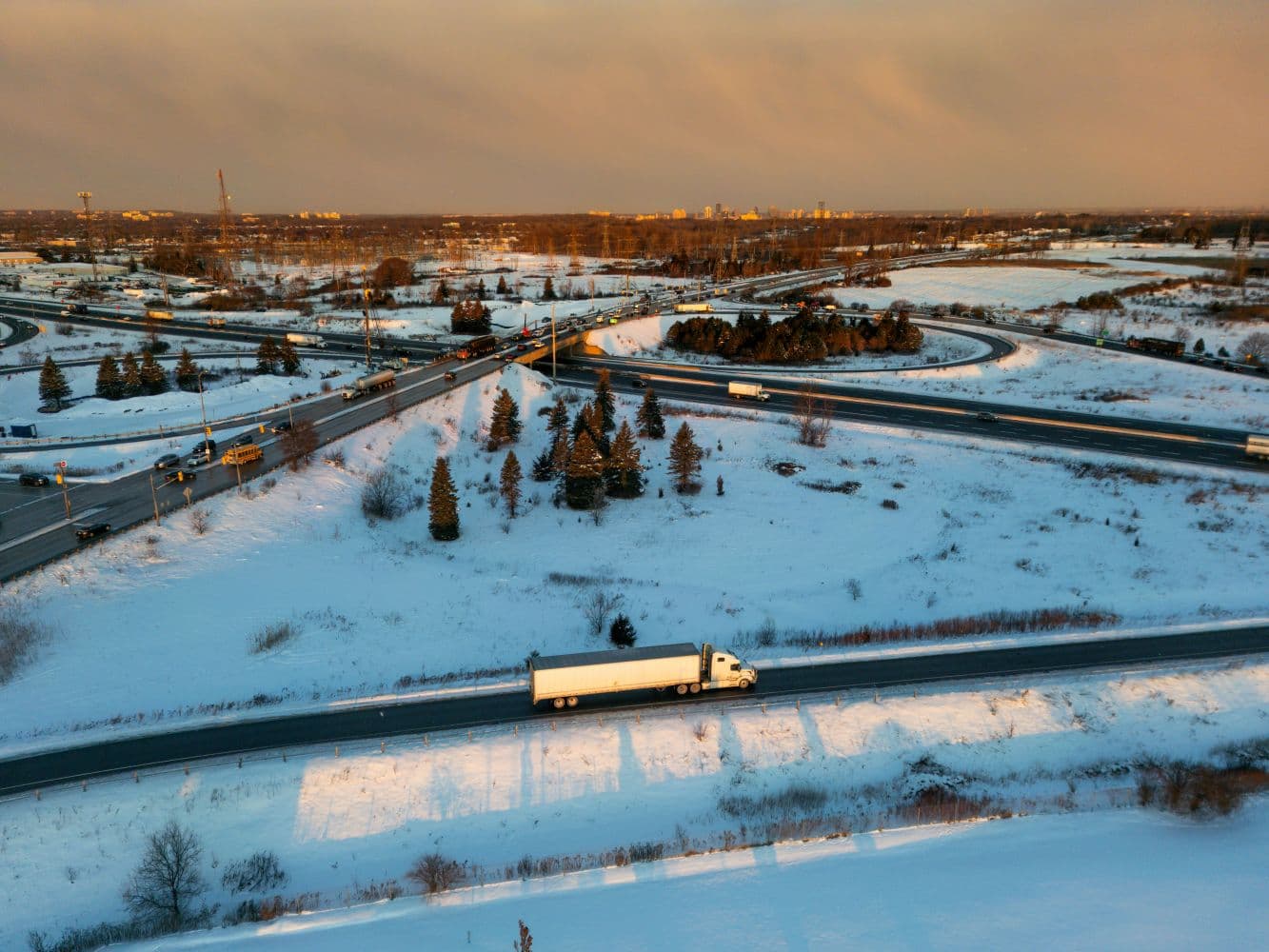
Why Cross Docking Can Speed Up Midwest Distribution
Cross-docking moves freight from inbound to outbound transportation while minimizing long-term storage. Shipments are unloaded, sorted, or staged as needed before continuing to their next destination. The process can involve temporary staging and handling, so it does not mean that every load transfers immediately or skips all warehouse steps. Depending on the freight and operating plan, cross-docking may reduce unnecessary storage and handling. This can matter across the Midwest, where winter weather can disrupt transportation schedules.
The Midwest sees all kinds of challenges during winter. Snowstorms can roll in overnight and leave roads frozen or blocked by morning. Cross-docking cannot prevent severe weather from disrupting transportation, but coordinated transfers may reduce unnecessary waiting at a warehouse while teams respond to changing conditions.
How Winter Impacts Midwest Freight Movement
Winter in the Midwest can be unpredictable. One day might be cold but clear, and the next, freezing rain or snow can affect highways across the region. Drivers, dispatchers, and shipping managers all feel the pressure during the winter stretch.
When freight goes into long-term storage, it may need to be scanned, sorted, shelved, and picked again. Those steps add handling and can add time. Cross-docking can reduce some of those steps for freight that is scheduled to continue onward, but it cannot remove transportation delays caused by unsafe roads or severe weather.
Logistics teams may need to plan around changing forecasts and narrow windows of safe travel. Coordinating freight transfers can help limit avoidable handling delays, while weather, road safety, carrier availability, and schedules still determine when a shipment can move.
What Makes Crossdocking Work Faster
Cross-docking transfers freight between inbound and outbound transportation, often with sorting or temporary staging rather than long-term storage. It can shorten transfer and storage time when inbound shipments, warehouse handling, and outbound transportation are properly coordinated. Actual turnaround depends on shipment characteristics, staffing, scheduling, available capacity, and operating conditions; not every load transfers immediately. Fast Fulfillment offers cross-docking and transloading, including container deconsolidation, palletization, load correction and reconfiguration, and short-term staging.
When the schedules and handling plan align, reducing unnecessary steps may offer practical benefits:
- Reducing unnecessary warehouse handling may mean fewer touchpoints and fewer opportunities for mix-ups
- Coordinated load transfers can help limit avoidable waiting when weather windows are short
- Well-timed outbound handoffs may reduce dock waiting, but cannot prevent delays from ice, unsafe roads, or closures
By minimizing unnecessary storage and handling, cross-docking can reduce unnecessary waiting. It cannot keep freight from being affected by unpredictable Midwest weather or guarantee that a delivery stays on schedule.
Crossdocking and Better Route Planning
Getting shipments where they need to go efficiently is not just about speed. It is about making smart use of routes, drivers, and hubs. Coordinated cross-docking can fit into that planning.
With less freight committed to long-term storage, coordinated cross-docking and carrier communication may make shipment adjustments easier. Whether freight can be sorted for a different departure or route depends on transportation arrangements and operating conditions. Winter closures can turn a simple route into a detour with little notice, and cross-docking alone does not guarantee a reroute.
For winter freight, logistics teams can coordinate inbound and outbound schedules, communicate with transportation providers about changing road conditions, plan for possible route adjustments and delays, and allow flexibility when weather interrupts transportation schedules. These are general logistics best practices, not guaranteed Fast Fulfillment services.
Some benefits of using coordinated cross-docking for smarter routing include:
- Planning direct connections between incoming and outgoing trucks when schedules and carrier arrangements allow
- Communicating with transportation providers about possible shipment adjustments as road conditions change, subject to transportation arrangements and operating conditions
- Using clear sorting and transfer procedures to help reduce warehouse mix-ups during schedule changes or urgent redirects
When routes need to change, communication and flexible plans can help teams assess their options. Road safety, carrier availability, and service arrangements still determine what changes are possible.
When Crossdocking Makes the Most Sense
Not every shipment is suited to direct transfers. Some products should not sit in one place too long because of customer commitments or scheduled deliveries. Others need to meet restock windows for busy retail stores.
Here are a few examples of when cross-docking may come in handy:
- Regional store replenishments that need to hit shelves by the weekend
- Online orders for products with short lead times
- Seasonal inventory that is already running behind because of holiday surges or returns
Whether a shipment is going two states over or across the region, cross-docking can support local and regional moves when transportation and handling are coordinated. If a winter storm affects part of a delivery area, logistics teams can assess whether another route or lane is safe and available. Carrier capacity and road conditions may limit those options, and delays may still occur.
Why Flexibility Matters in Midwest Distribution
Winter does not always allow perfect plans. What works one afternoon might need a total shift by evening. That is where flexibility becomes important. Whether teams need to hold freight or consider a different route, decisions depend on safety, carrier availability, and other operating conditions.
In general, flexible freight operations may depend on:
- A facility layout that supports cross-dock movement and temporary staging
- Clear coordination among shipping, dispatch, warehouse, and transportation teams
- Access to transportation routes in multiple directions, including from central locations such as Kansas City
Kansas City's central location provides access to major transportation routes serving destinations throughout the United States. Actual transit times depend on the destination, carrier, service level, and weather conditions.
The Midwest covers a lot of ground. Access to more than one transportation route can give distribution teams options when weather changes. Those options still depend on available capacity, road conditions, and carrier arrangements.
Keeping Shipments Moving When It Matters Most
Midwest winter weather can change freight schedules quickly. Snow, ice, wind, and road closures may disrupt transportation. Cross-docking may reduce unnecessary waiting associated with long-term storage, but it cannot prevent weather-related delays or ensure that a shipment stays on its original schedule.
Fewer unnecessary handoffs, coordinated connections, and flexible plans can all play a role. By reducing unnecessary steps, cross-docking may create more room within tight shipping windows. That flexibility can help teams respond when winter gives little warning, though it does not guarantee uninterrupted freight movement.
Cross-docking is one option logistics teams may consider when freight can continue from inbound to outbound transportation without long-term storage. For information about Fast Fulfillment's services, see the cross-docking page.
Need Faster, More Flexible Freight Handling?
Fast Fulfillment offers cross-docking and transloading services in the Kansas City metro area. Contact our team to discuss your shipment requirements and available options.
Get a Free Quote