
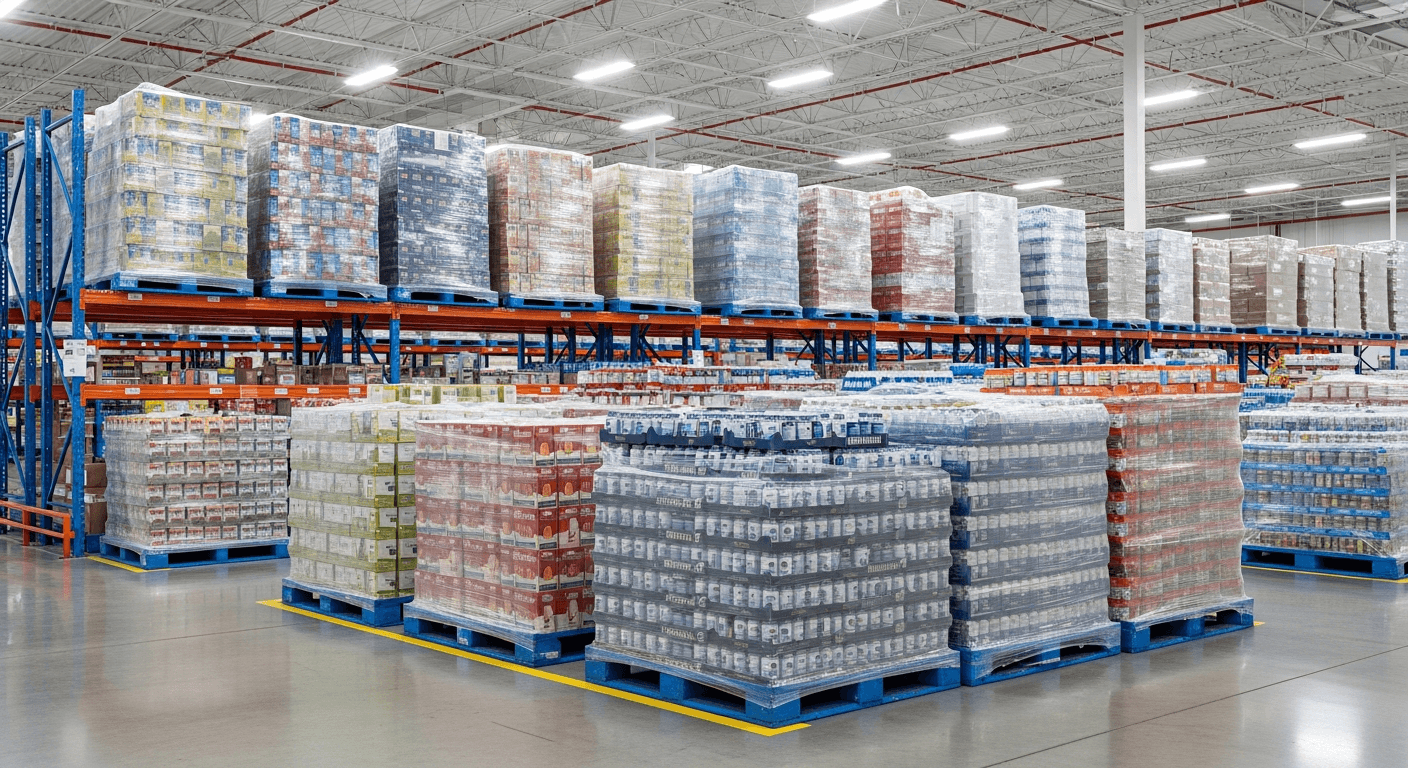
Is a 3PL Warehouse Ideal for Food Products?
If you sell anything edible, from dry goods and snacks to supplements and beverages, you have probably wondered whether a third party warehouse can handle your inventory the way you would. The honest answer is that not every 3PL can, but the right one absolutely can. Food fulfillment carries rules and habits that standard ecommerce 3PLs are not always built for, and choosing a partner that understands those rules is what separates a smooth operation from a recall nightmare.
What Makes Food Fulfillment Different
Standard pick and pack is about getting the right box to the right customer on time. Food adds a second layer on top of that. You also have to track expiration dates, prevent cross contamination, keep pests out, document every movement of every lot, and be ready to pull product off the shelf in hours if something goes wrong upstream. Apparel and electronics 3PLs are simply not designed for that kind of operating discipline.
A food capable 3PL bakes those requirements into daily routines. Receiving teams verify lot codes and best by dates on every pallet. Storage zones are organized so the oldest dated inventory ships first. Cleaning schedules and pest control logs are kept in writing. None of this is glamorous, but it is what keeps your brand safe.
Certifications That Actually Matter
When you evaluate a 3PL for food, look past the marketing copy and ask about three things specifically.
- FDA registration. Any facility that stores human food in the United States is required to be registered with the FDA under the Food Safety Modernization Act. If your prospective 3PL cannot give you their registration number, walk away.
- AIB or SQF audit history. Independent third party audits like AIB International and SQF certification show that the facility has been measured against a real food safety standard and not just self assessed.
- Written food safety plan. Under FSMA, facilities need a documented plan that covers hazard analysis, preventive controls, and recall procedures. Ask to see it.
Temperature, Humidity, and Storage Zones
Most ecommerce food brands fall into the ambient or dry goods category, which is the easiest to store. Even so, a quality food warehouse keeps a tight band on temperature and humidity year round so chocolate does not bloom in July and crackers do not go stale in February. If your product needs refrigeration or freezer space, the conversation gets shorter quickly because cold chain capacity is much harder to find, especially at small to mid volume.
Ask your 3PL what zones they offer, how they monitor those zones, and how they alert you if a reading goes out of range. A facility that can show you a continuous temperature log for the last 30 days is one that takes the job seriously.
Why FEFO Beats FIFO for Food
Most warehouses rotate inventory using FIFO, first in first out, which works fine for products that do not expire. Food inventory needs FEFO instead, first expired first out, because the order pallets arrived in does not always match the order they need to leave in. A pallet received last week might have a closer best by date than a pallet received a month ago. A 3PL that runs true FEFO will scan dates at receiving, prioritize the oldest dated lot at pick time, and flag anything getting close to expiration before it becomes shrink.
Recall Readiness
No brand wants to think about a recall, but every food brand should be ready for one. Ask your 3PL how quickly they can identify every shipment that contained a specific lot code and produce a customer list for that lot. The right answer is hours, not days. That capability lives or dies on whether the warehouse captured the lot number at receiving and linked it to every outbound order. If that link is missing, you cannot run a recall cleanly, and the regulatory exposure is on you.
When Outsourcing Food Fulfillment Makes Sense
Running your own food warehouse means paying for square footage you only fully use during peak, hiring receiving and pick staff, buying scanners and a WMS, and carrying the cost of audits and certifications. A 3PL spreads all of that across many brands, which is why outsourced food fulfillment usually wins on cost once you cross a few hundred orders per month. It also frees your team to focus on the parts of the business that actually grow revenue: product development, marketing, retail accounts, and customer experience.
Why Kansas City Works for Food Brands
Kansas City has one of the largest food and agriculture clusters in the country, which means the labor pool, the regulators, and the local carriers are all used to food product. From our facility in Lenexa, ground shipments reach roughly 85 percent of the US population in two days, which keeps shelf life on the customer side of the equation rather than the in transit side. For perishable adjacent items like protein bars, supplements, and specialty beverages, that transit time advantage shows up directly in customer reviews.
The Bottom Line
A 3PL warehouse is not just ideal for food products, for most growing food brands it is the most realistic path to scale without taking on the cost and risk of building food grade operations in house. The catch is that you need to choose a 3PL that takes food seriously, not one that stores it the way they store t shirts. Look for FDA registration, an audited food safety program, true FEFO rotation, real recall capability, and a team that can answer your questions in detail.
Ready to talk food fulfillment?
Fast Fulfillment is an FDA registered food grade 3PL in Lenexa, Kansas. We run FEFO rotation, lot level traceability, and same day shipping for food and supplement brands from our Kansas City facility.
Get a free quote→
Fast Fulfillment Team
Fast Fulfillment