
3PL vs 4PL: Understanding the Key Differences in Logistics and Fulfillment
As ecommerce brands grow, logistics becomes more complex. Faster shipping expectations, inventory management, retail compliance, and rising operational costs push many businesses to outsource part or all of their supply chain operations. That is where 3PLs and 4PLs come in. Understanding the difference between a 3PL and a 4PL can help businesses choose the right logistics strategy for their size, budget, and long-term growth plans.
In this guide, we will break down:
- What a 3PL is
- What a 4PL is
- The biggest differences between 3PL and 4PL providers
- The pros and cons of each model
- Which option makes the most sense for growing ecommerce brands
What Is a 3PL?
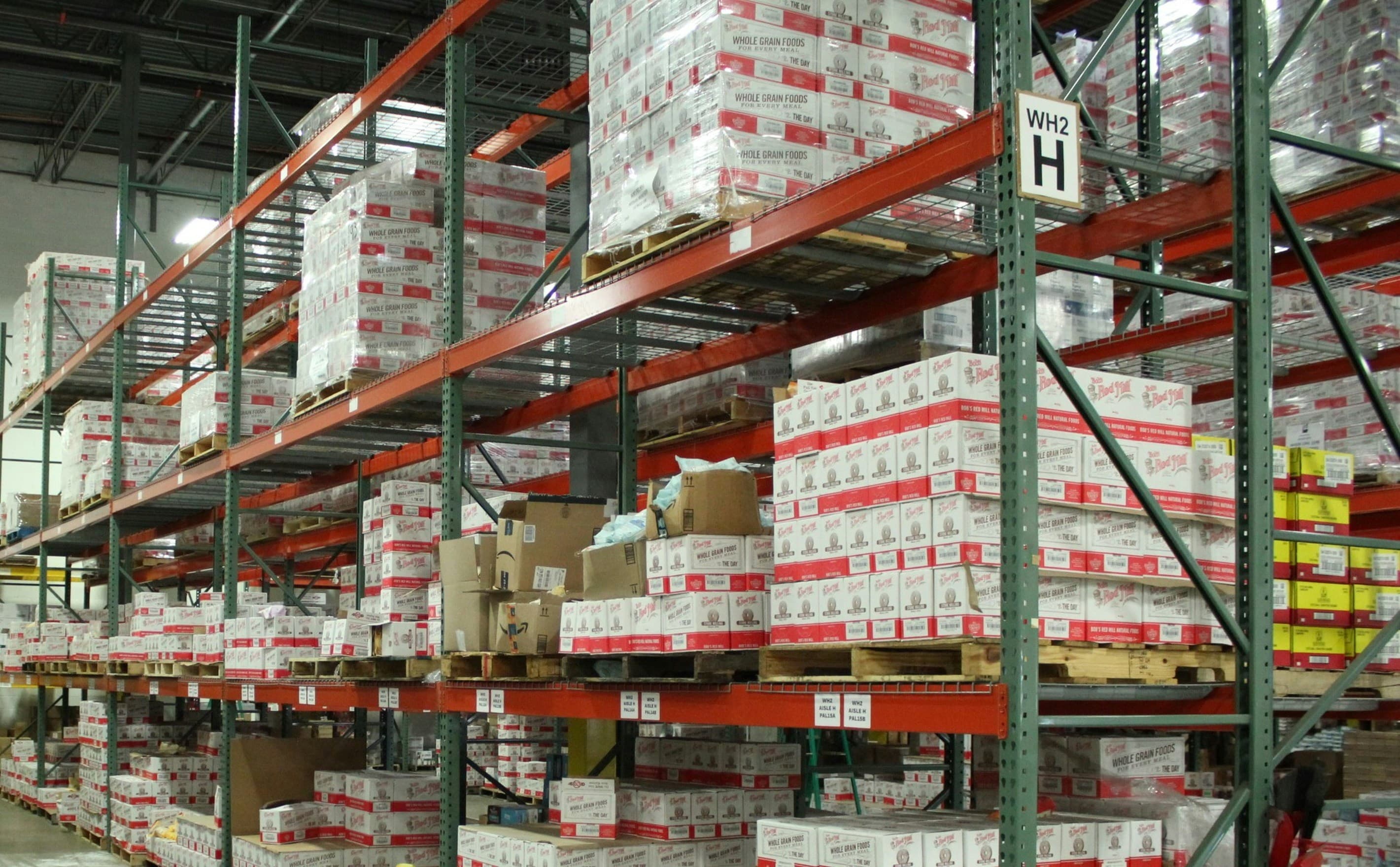
A 3PL, or third-party logistics provider, is a company that handles logistics operations on behalf of another business. Most 3PLs physically store, manage, and ship inventory from their warehouse facilities. Typical 3PL services include:
- Warehousing and inventory storage
- Ecommerce fulfillment
- Pick and pack services
- Inventory management
- Shipping and carrier coordination
- Amazon FBA prep
- Retail compliance fulfillment
- Returns management
- Kitting and assembly
A strong 3PL acts as a true operational partner, not just a warehouse vendor. At Fast Fulfillment in Lenexa, Kansas, our team works as an extension of each client's business, providing real-time inventory visibility, same-day order processing, and flexible fulfillment solutions built for ecommerce growth.
For most growing ecommerce brands, a 3PL fulfillment partner provides the right balance of hands-on support, operational flexibility, and cost efficiency.
What Is a 4PL?
A 4PL, or fourth-party logistics provider, operates at a more strategic level. Instead of directly handling warehousing and fulfillment operations, a 4PL typically manages the overall supply chain network. A 4PL may handle:
- Supply chain strategy
- Vendor management
- Transportation coordination
- Logistics technology integration
- Procurement oversight
- Data analytics and reporting
- Multi-warehouse network optimization
Unlike a traditional 3PL, a 4PL often does not own or operate warehouse facilities directly. Instead, a 4PL manages a network of 3PLs and carriers, acting as the strategic layer above the physical operations. This model is most common among large enterprise businesses with complex, multi-region supply chains.
3PL vs 4PL: What Is the Difference?
The biggest difference between a 3PL and a 4PL comes down to execution versus oversight. A 3PL focuses on handling day-to-day logistics operations like warehousing and shipping. A 4PL focuses on managing the broader logistics strategy.
| Feature | 3PL | 4PL |
|---|---|---|
| Warehousing | Yes | Usually outsourced |
| Stores inventory directly | Yes | Typically no |
| Handles fulfillment | Yes | Oversees providers |
| Pick and pack | Yes | Managed externally |
| Shipping coordination | Yes | Yes |
| Supply chain strategy | Partial | Full oversight |
| Vendor management | Limited | Yes |
| Technology integration | Yes | Advanced |
| Data analytics | Basic to moderate | Advanced |
| Multi-warehouse coordination | Sometimes | Yes |
| Cost structure | Per unit or activity | Management fee based |
| Best fit | Growing brands | Enterprise operations |
Benefits of Using a 3PL
Faster Scaling
A 3PL already has the warehouse space, staff, and systems in place. Brands can scale order volume without hiring, leasing, or investing in physical infrastructure.
Lower Operational Costs
Shared warehouse resources lower per-unit costs compared to running a private operation. Kansas City 3PLs like Fast Fulfillment help brands reduce overhead without sacrificing service quality.
Better Shipping Performance
Central-location 3PLs in Kansas City can reach 85 percent of the U.S. population with 2-day ground shipping, helping brands compete on delivery speed without air freight costs.
Flexibility During Peak Seasons
A 3PL absorbs seasonal volume spikes without brands having to hire temporary warehouse staff or rent short-term storage.
More Focus on Growth
Outsourcing daily logistics operations frees your team to focus on product development, marketing, and sales rather than managing fulfillment.
Benefits of Using a 4PL
Centralized Supply Chain Management
A 4PL acts as a single point of accountability across multiple logistics providers, carriers, and technology platforms.
Advanced Analytics and Optimization
Enterprise-level data across the entire supply chain enables more strategic decisions around inventory positioning, carrier selection, and cost reduction.
Multi-Region Coordination
For brands operating across many geographies and warehouse locations, a 4PL can manage the complexity of coordinating between providers.
Strategic Supply Chain Planning
A 4PL can help large organizations think ahead on capacity planning, procurement, and long-term logistics network design.
When Should a Business Choose a 3PL?
A 3PL is the right fit for most growing businesses. It is best suited for:
- Ecommerce brands
- Amazon sellers
- Shopify businesses
- Subscription box companies
- Retail fulfillment operations
- Growing brands with increasing order volume
For brands shipping out of the Kansas City metro area, including Lenexa, Overland Park, Olathe, and surrounding communities, a regional 3PL offers the added advantage of faster ground shipping nationwide. Kansas City's central location enables 2-day ground delivery to a majority of the U.S. population, which can give brands a real competitive edge without paying for expedited freight.
When Does a 4PL Make More Sense?
A 4PL is better suited for businesses with:
- International supply chains
- Multiple warehouse providers
- Large transportation networks
- Enterprise-level logistics complexity
- Heavy procurement and vendor coordination needs
For most growing ecommerce businesses, the 4PL model introduces overhead and complexity that outpaces the actual logistics challenge. Brands managing fewer than 10,000 orders per month typically benefit more from a strong 3PL relationship than from layering in a 4PL management structure.
Is a 3PL or 4PL Better for Ecommerce Brands?
For most ecommerce businesses, a 3PL is the better fit. A strong 3PL relationship can help businesses:
- Improve delivery speeds with centrally located fulfillment
- Reduce operational headaches and warehouse overhead
- Maintain better customer experiences through fast, accurate shipments
- Scale efficiently during growth periods without capital investment
- Avoid large upfront warehouse investments
Fast Fulfillment works with Shopify brands, Amazon sellers, subscription box companies, and retail fulfillment operations from our Kansas City area facility at 11011 Lackman Rd, Lenexa, KS. Our central location, same-day processing, and flexible storage options give growing brands the fulfillment foundation they need to scale.
How to Choose the Right Logistics Partner
Whether evaluating a 3PL or a 4PL, the right partner should be assessed on more than price. Key factors to evaluate include:
- Current order volume
- Supply chain complexity
- Growth projections
- Shipping requirements
- Technology integrations
- Budget considerations
- Communication expectations
- Visibility and reporting needs
Transparency, flexibility, and responsiveness are often just as important as pricing. A 3PL that communicates clearly, provides real-time reporting, and proactively solves problems is far more valuable than one that simply offers the lowest per-unit rate. Before signing a contract, ask for references, review their technology stack, and understand their escalation process when problems arise. For more guidance, see our post on how to choose the right warehousing and fulfillment partner.
Final Thoughts on 3PL vs 4PL
For most growing ecommerce and retail brands, a 3PL offers the right combination of fulfillment support, flexibility, and scalability without unnecessary complexity. Large enterprise organizations may benefit from the broader strategic oversight that a 4PL provides, but the added management layer often introduces costs and communication gaps that growing brands do not need.
If your business is scaling its order volume, exploring new sales channels, or looking to improve shipping performance, a well-matched 3PL in a central location like Kansas City can be a more direct path to better logistics than a 4PL model.
Explore more on related topics: In-house fulfillment vs 3PL, how 3PLs are priced, and 5 signs you need a new warehousing partner.
Partner with Fast Fulfillment
Looking for a Logistics Partner That Acts as an Extension of Your Business?
Fast Fulfillment provides ecommerce fulfillment, warehousing, FBA prep, kitting, and retail fulfillment solutions designed to help growing brands scale with confidence from our Kansas City area facility.